


Who are the Maasai? Culture, habitat and way of life
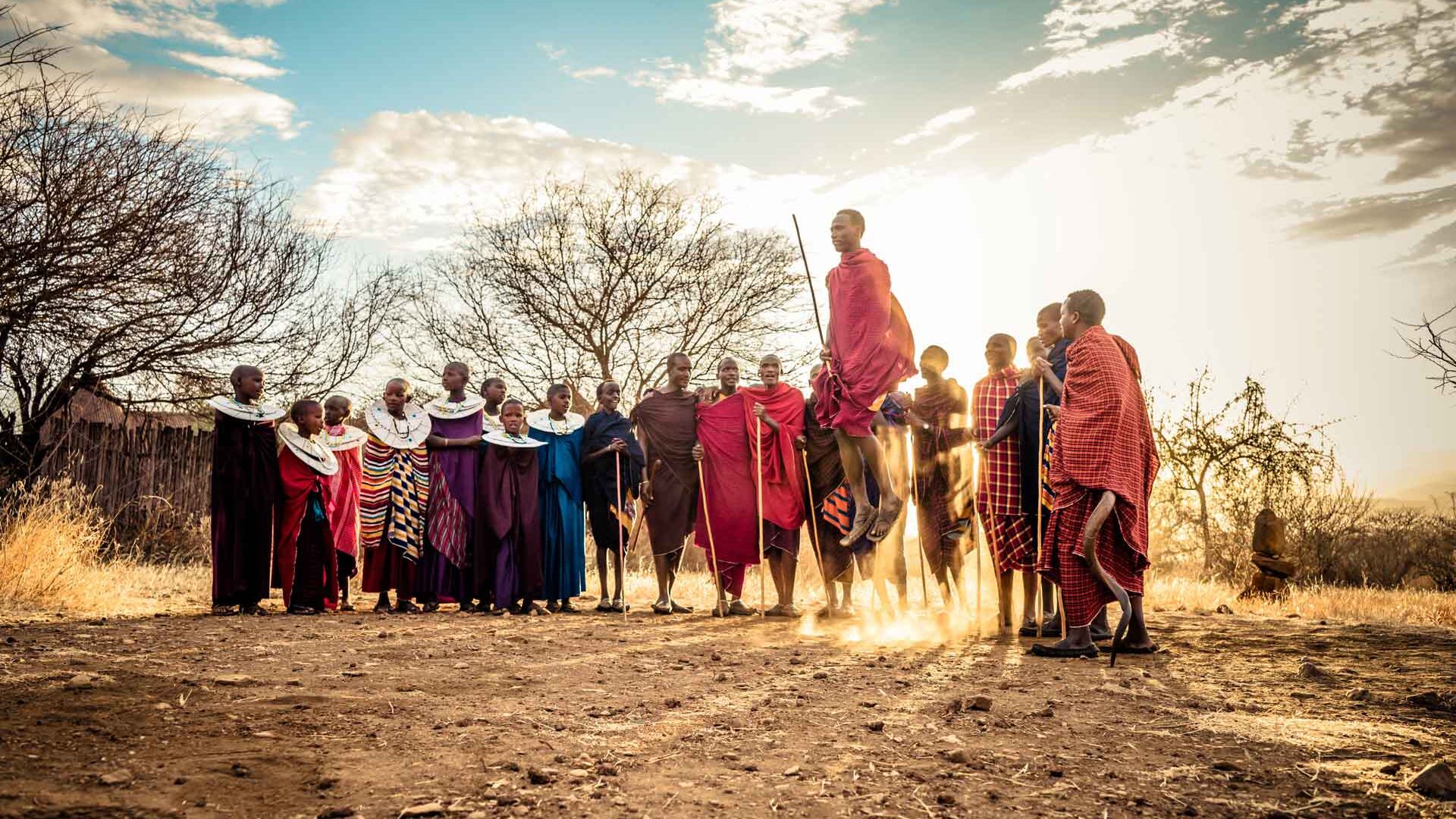
The Maasai are one of the most recognisable cultures in East Africa. Yet recognisability says little about who they really are. Behind the colourful clothing and jewellery lies a way of life that is deeply connected to the land, livestock and community. Not folklore, not a performance, but a living culture that has been adapting to its environment for generations.
Where do the Maasai live? About habitat and location
The Maasai habitat stretches across northern Tanzania and southern Kenya. It is a vast area of savannahs, high plains and seasonal grasslands. In Tanzania, Maasai communities live in regions around Mount Kilimanjaro, Ngorongoro Conservation Area and Lake Manyara National Park, among others. These are not just the “backdrops” to their existence, but its very heart.
How are their lives intertwined with land and livestock?
For the Maasai, cattle are more than just property. They are a source of food, status, identity and connection. Cows determine the rhythm of the day and the seasons. Land is not property, but living space. For centuries, this way of life has made it possible to coexist with wildlife without depleting the landscape.
How do the Maasai live as a community?
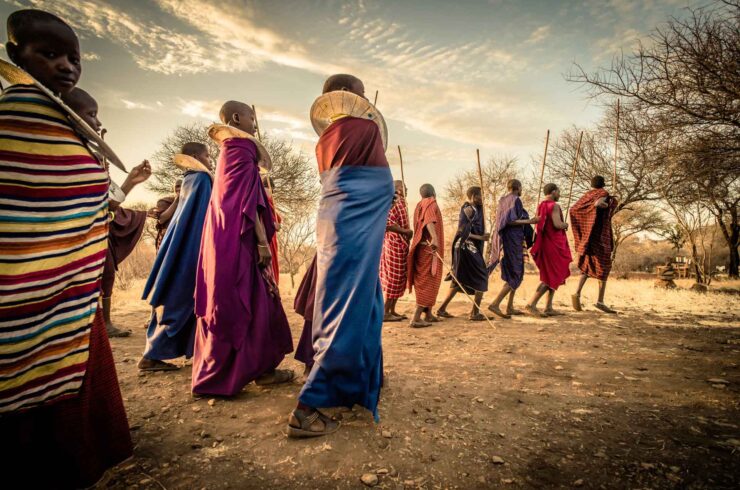
The Maasai live in a strongly community-oriented society. Family ties, age groups and rituals give structure to their lives. Clothing and jewellery carry meaning: they reveal something about age, stage of life and position within the community. Traditions are passed on orally and adapted to changing circumstances, without losing their core essence.
How can you meet the Maasai in a respectful manner?
Growing interest in Tanzania creates the risk that culture will be reduced to a tourist attraction. A short visit, a photo, a fixed “programme”, detached from real everyday life.
Those who truly wish to encounter the Maasai should opt for time and proximity rather than a brief visit. A stay at Isoitok Camp Manyara offers this opportunity. This small-scale camp is located in the Maasai habitat and is run in collaboration with the local community. Here, you will not be staying next to, but rather among, everyday life.

In this way, an encounter becomes not an attraction, but an exchange — with respect for each other and for the country.

