


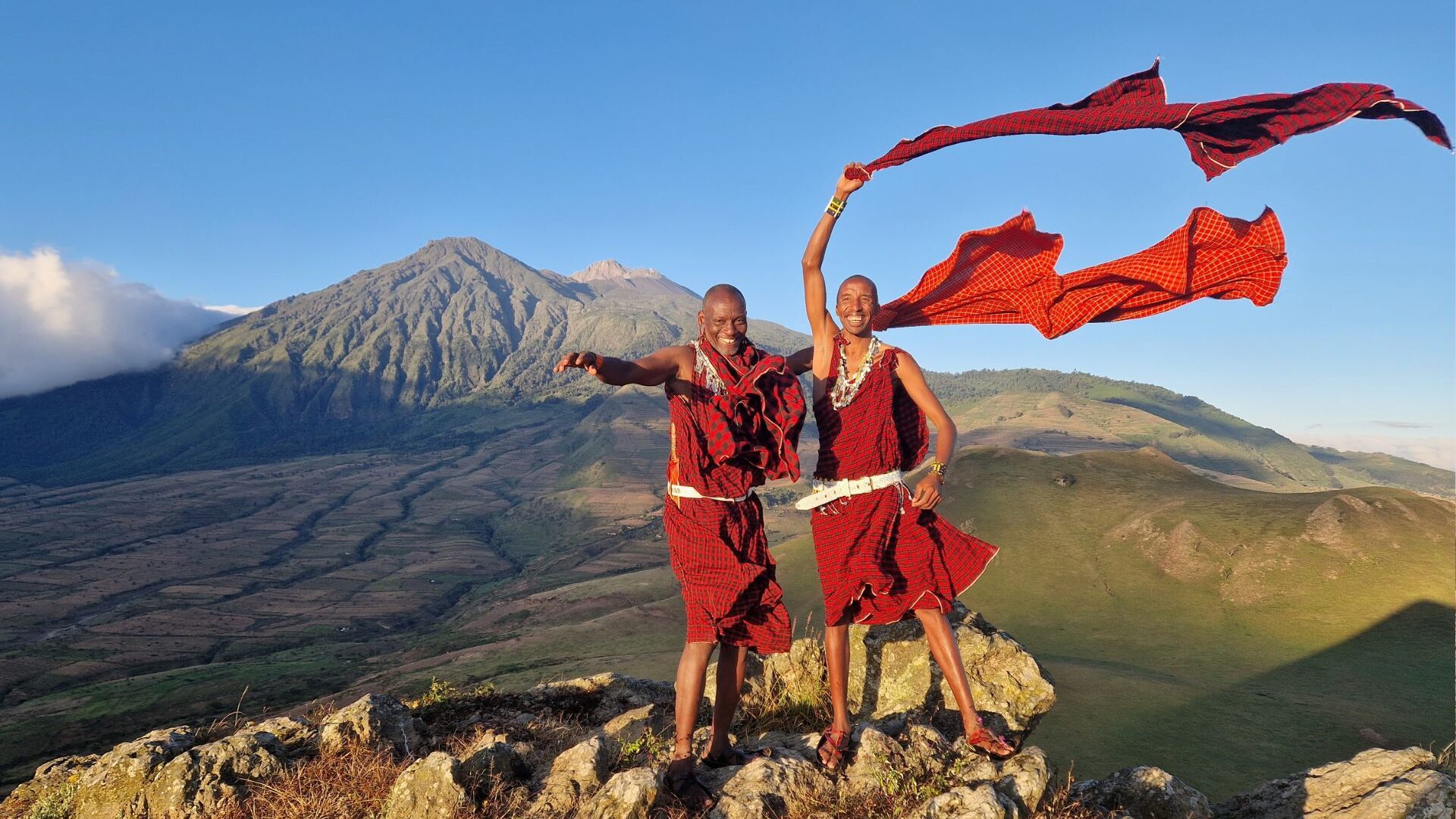
Culture in Tanzania
Tanzania has approximately 52 million inhabitants and over 120 tribes that live together peacefully. Tanzania is a safe and politically stable country, with very friendly and relaxed people.
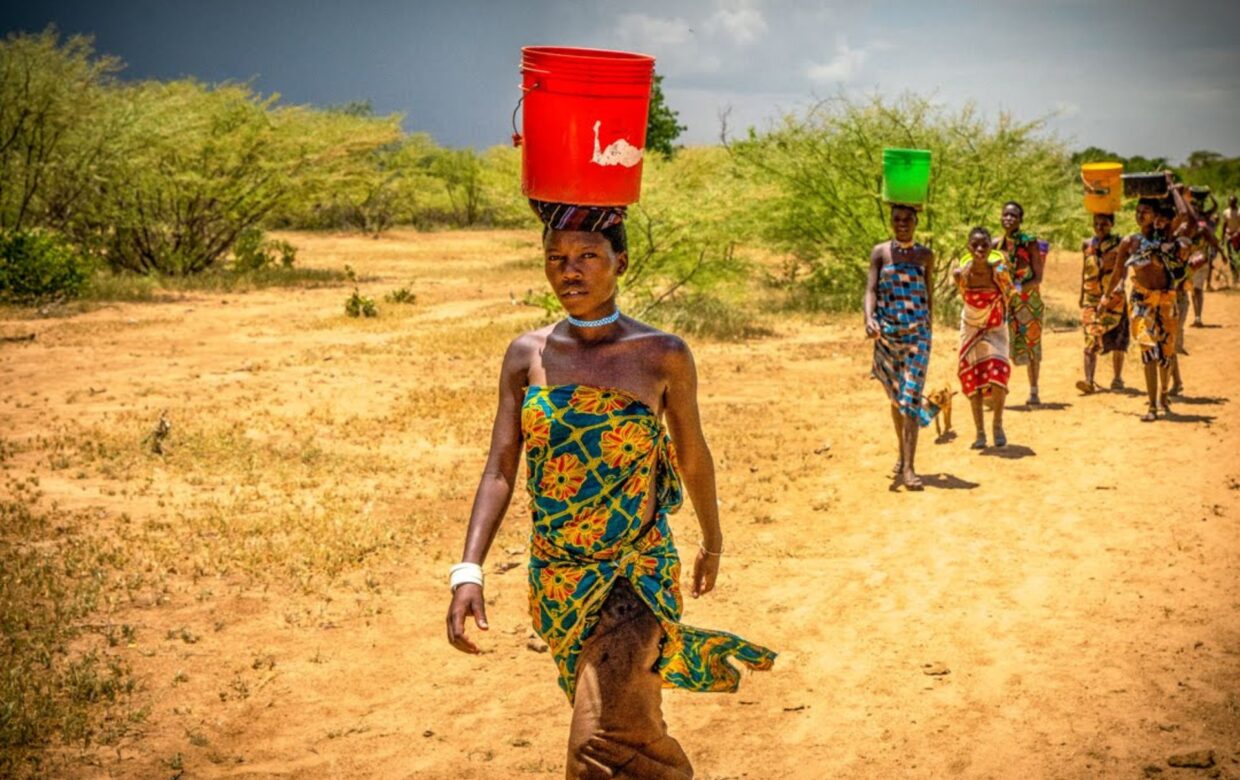
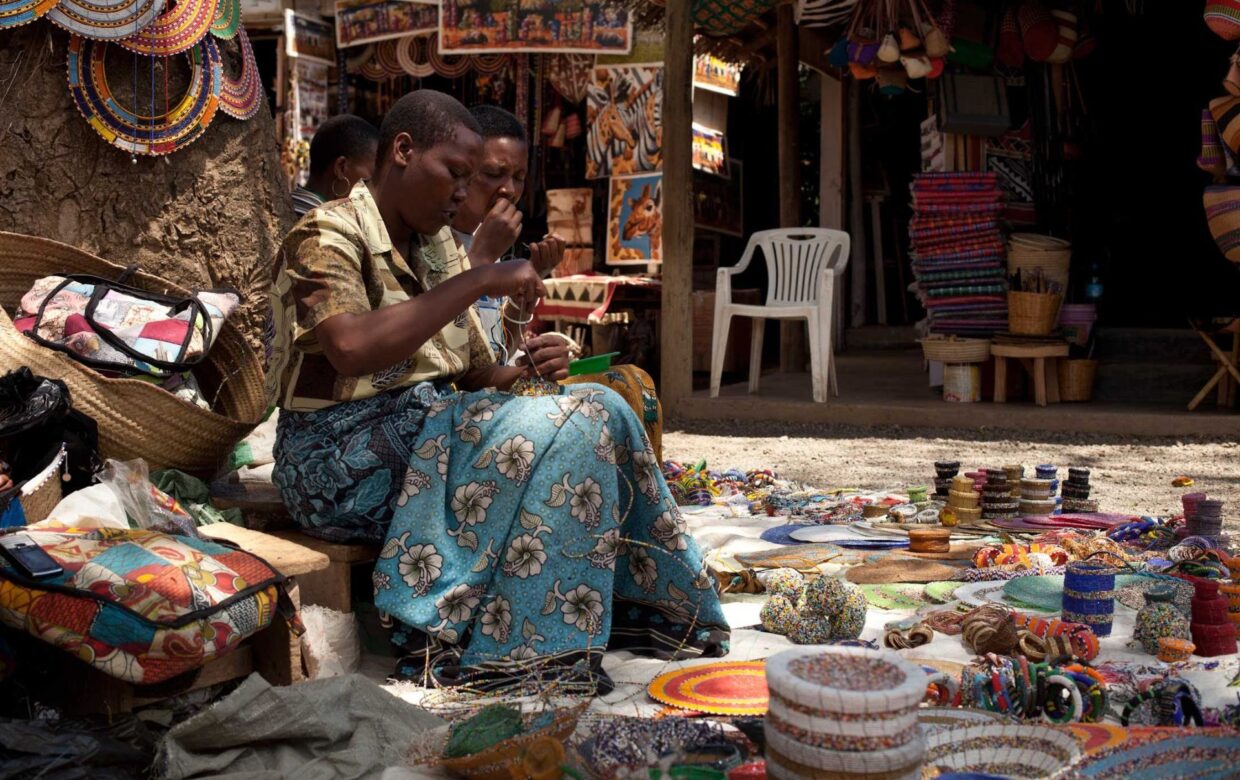
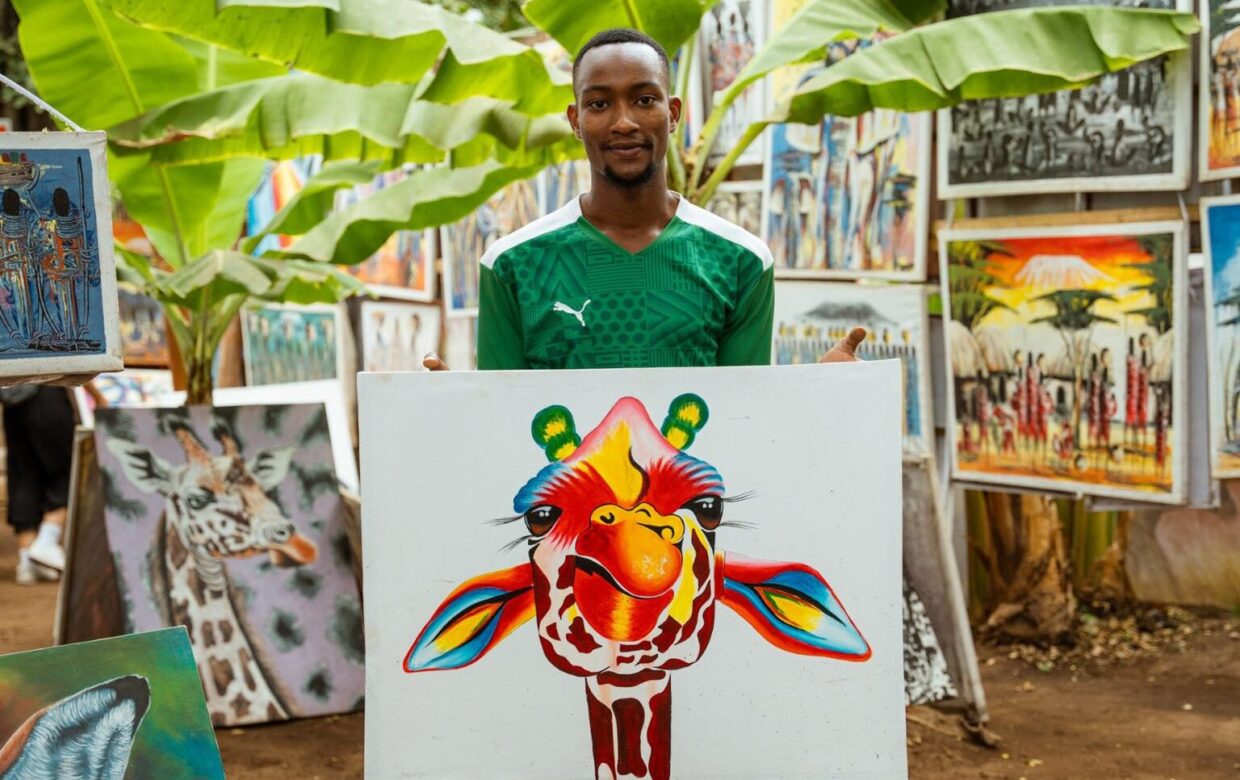
Due to the large ethnic differences, the Tanzanian culture is very diverse. During your trip, it’s possible to get acquainted with these different cultures and to familiarised with the Tanzanians in an authentic way. Such as Maasai (Ngorongoro, Lake Natron), Sukuma (Mwanza), Chagga (Moshi, Kilimanjaro), Hadzabe (Lake Eyasi) and Hehe (Iringa). Because we’ve lived in Tanzania for years, we know the non-touristy places that are beautiful to visit.
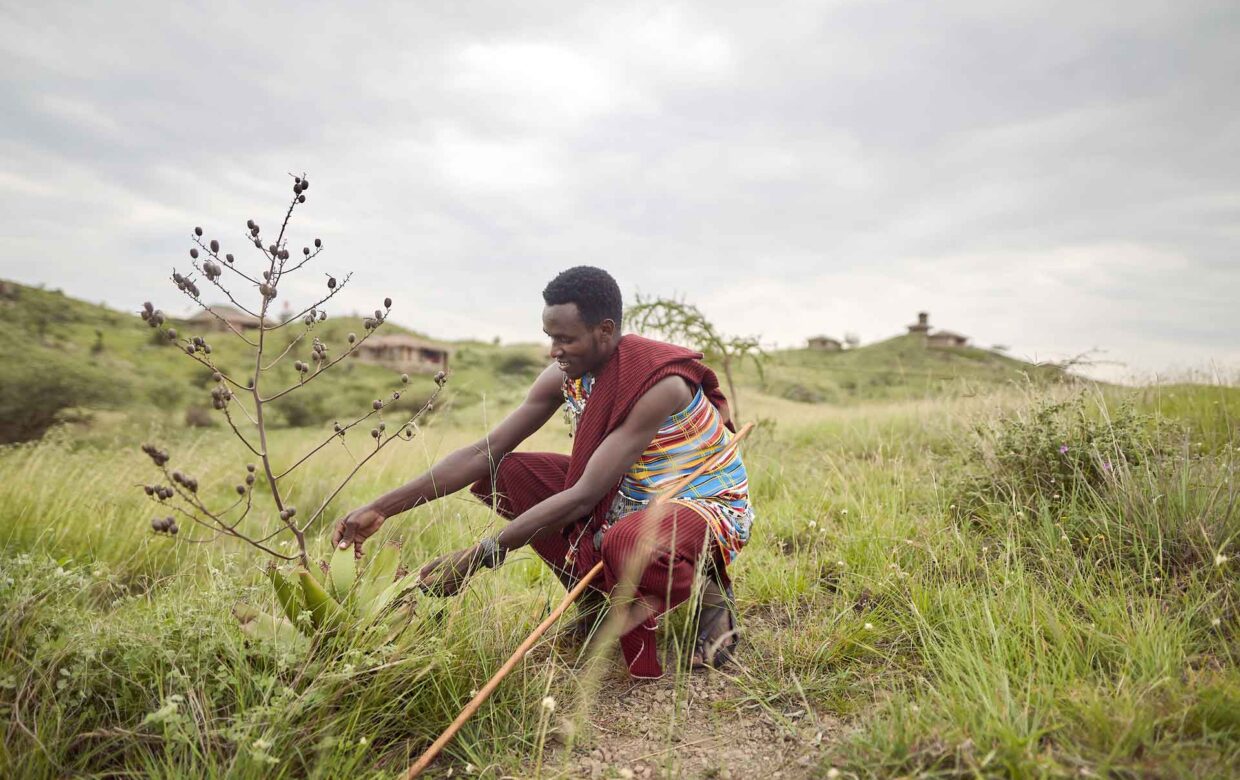
Cultural options
There are multiple possibilities to get acquainted with the Tanzanian culture.

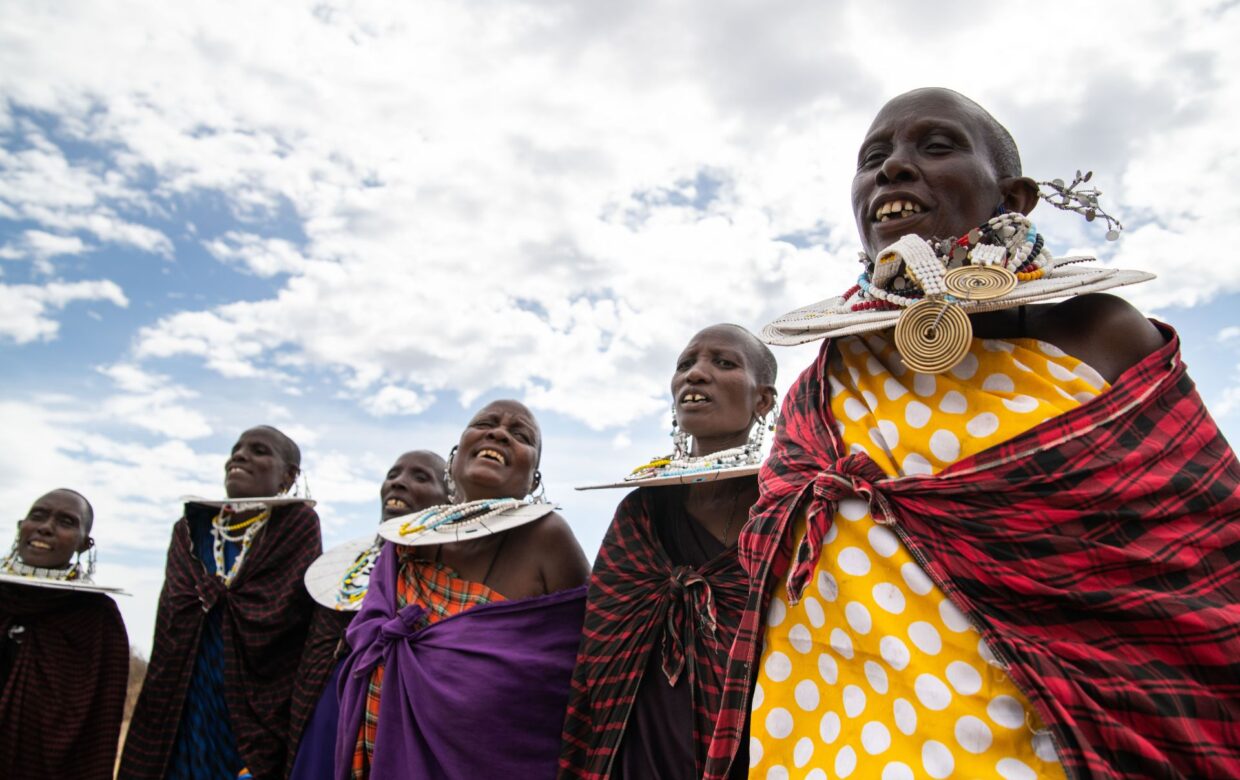
Maasai
Origin
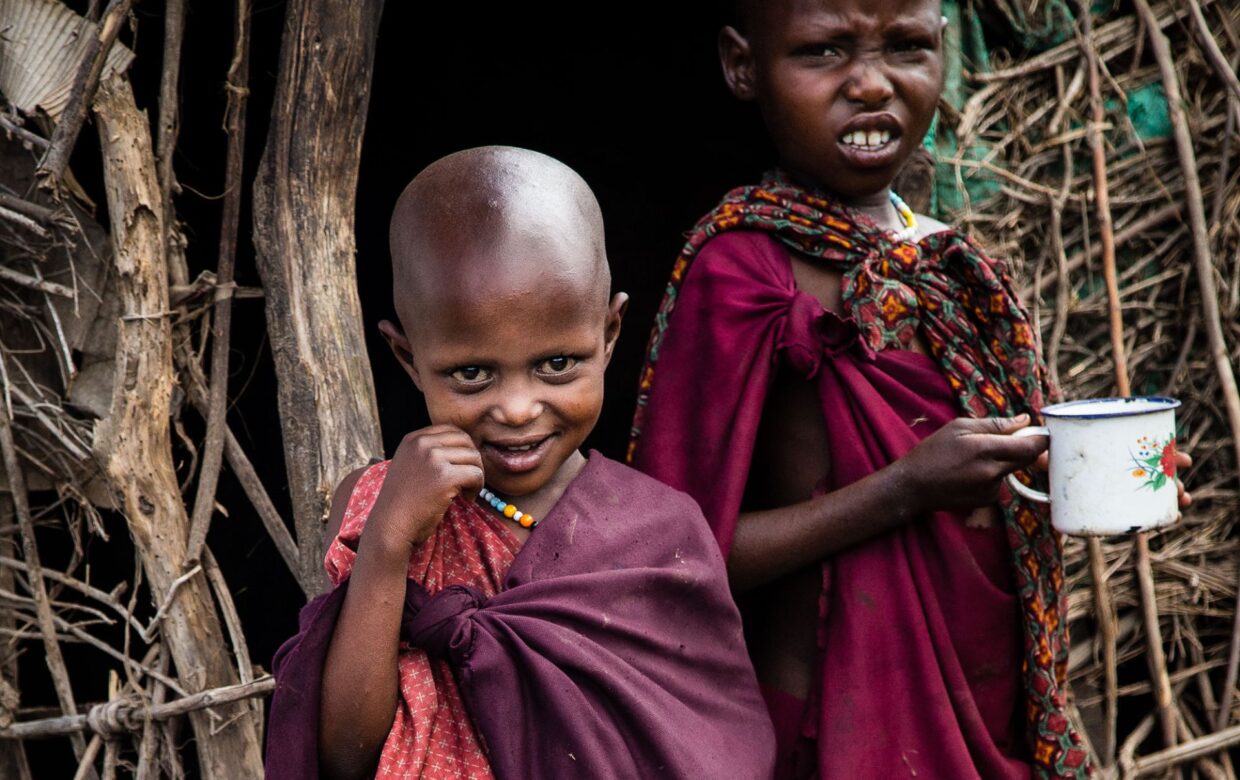
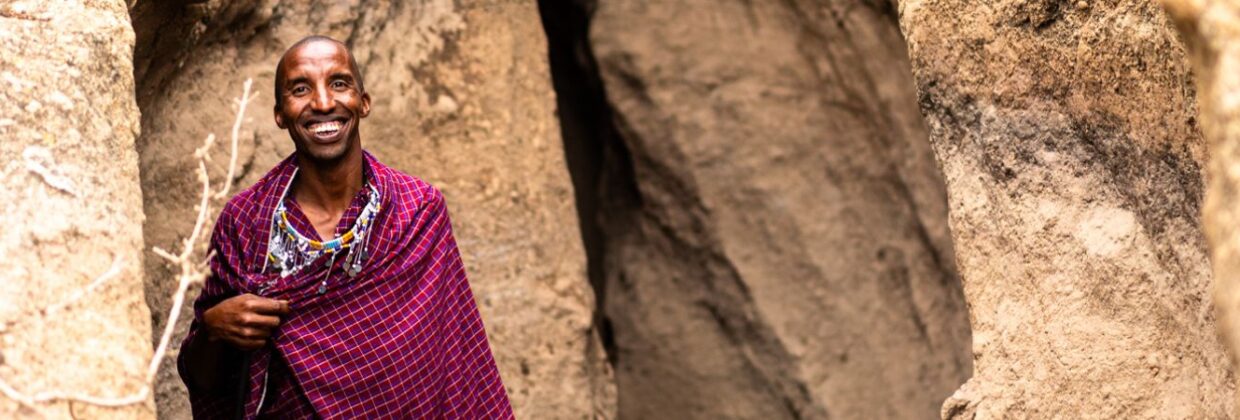
The Maasai are originally Nilotic. A (semi-)nomadic people who migrated from the Nile region to Tanzania in the 17th century in search of fresh grass for their herds. They recognize no national borders and live primarily by herding livestock, primarily goats. Maasai mainly live in Northern Tanzania and especially in the Ngorongoro area and around Lake Natron.
Lifestyle
The traditional Maasai lifestyle revolves around their livestock, which are their primary source of food. The measure of a person’s wealth is measured in livestock and children. Their livestock provides virtually all of the Maasai’s food needs. Maasai live in houses called bomas. A fence of thorn branches surrounds the bomas to keep wild animals at bay. The huts are made of woven branches, the gaps of which are filled with dung and mud.
Characteristic
The Maasai are among the tallest people in Africa, thanks to their rich calcium diet. But they appear even taller because of their high jumps. It’s called “Adamu” and has a deeper meaning; wearing their slippers (made from car tires), the men demonstrate their strength and endurance.
Future
Their lives are becoming increasingly difficult due to increasing drought. The Maasia are one of the few peoples of Tanzania who have retained most of their traditions, lifestyle and knowledge. Modernization therefore has little effect on the Maasai, but the curtailment of their grazing grounds does threaten their traditional way of life.
Experience Maasai culture
During a trip through Northern Tanzania, you have the opportunity to immerse yourself in Maasai culture in a pleasant, relaxed setting. Near Arusha National Park, you can stay overnight in a boma, or in caves. These lodges are run entirely by the Maasai, allowing you to experience this unique culture firsthand. For example, join a nature walk or learn about natural healing methods. In the Ngorongoro region, you can also stay at accommodations where you can connect with the Maasai, such as Gibb’s Farm, Entamanu Ngorongoro, and Mysigio Camp.
Hadzabe
Habitat
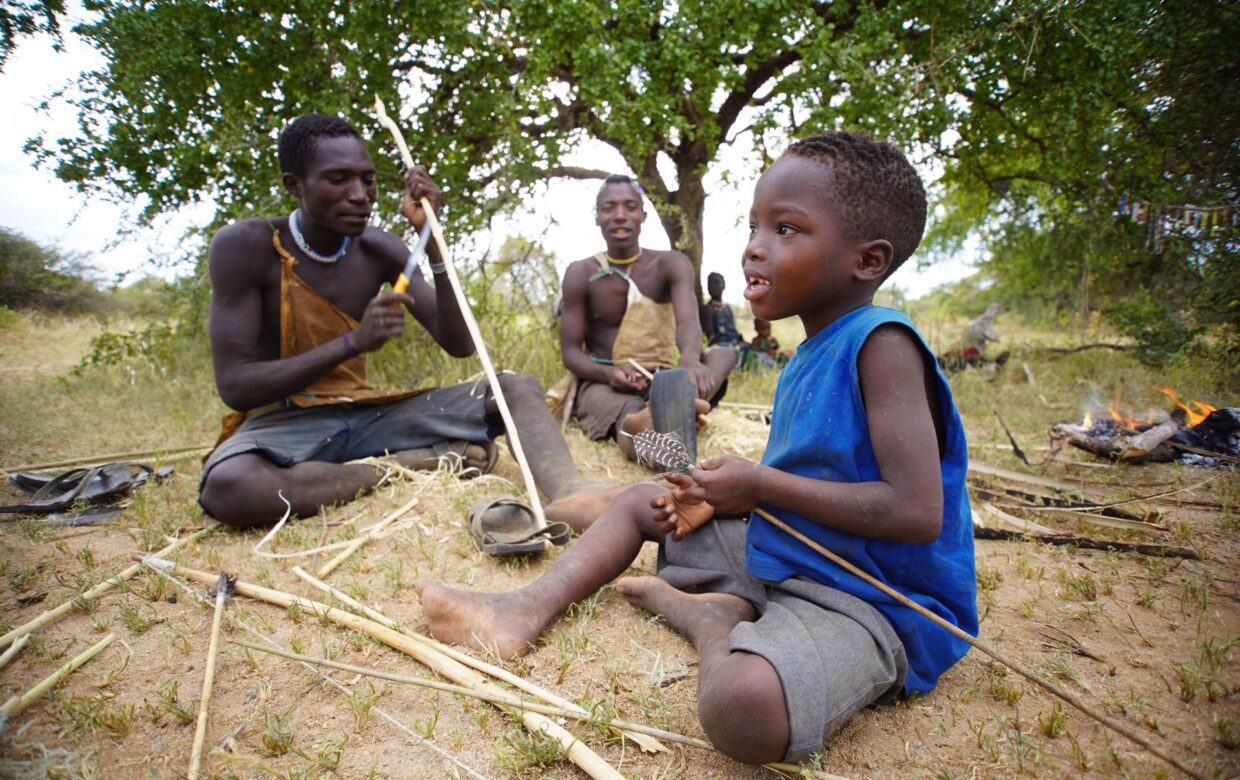
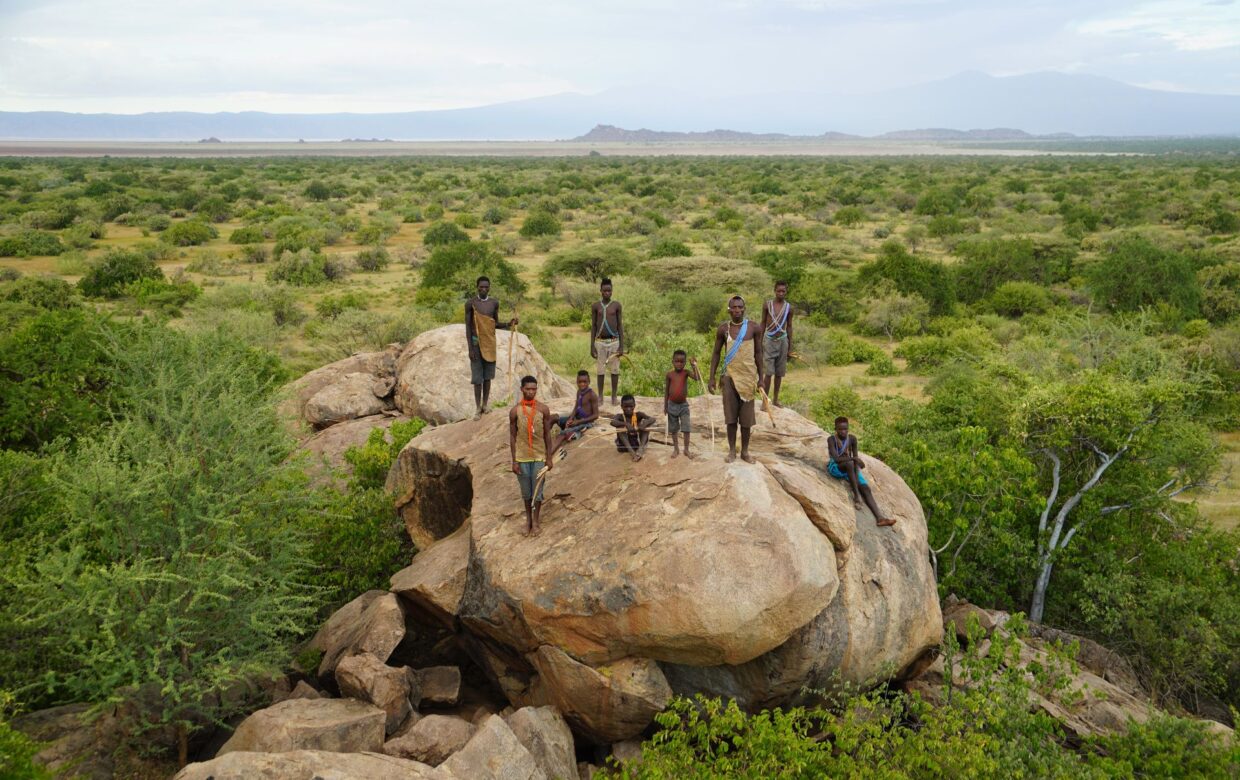
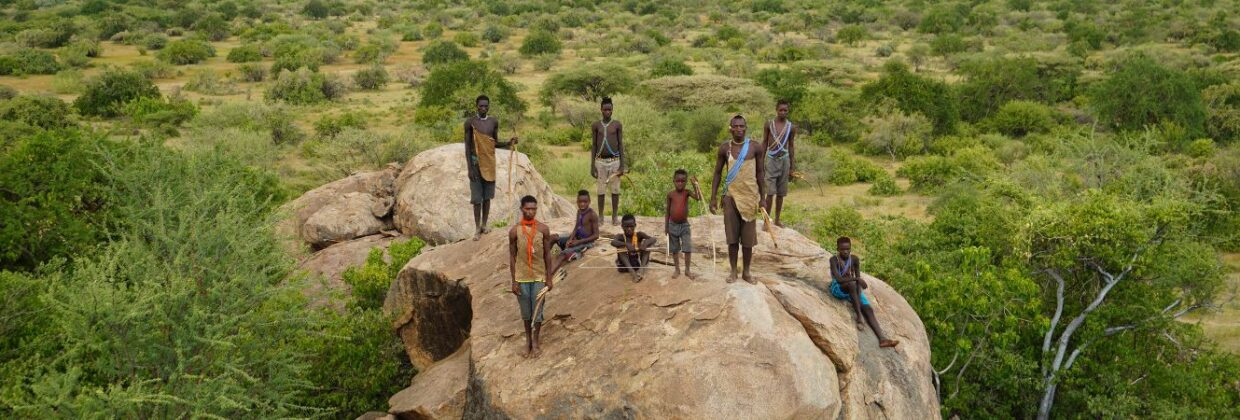
Hadzabe, also called bushmen, live around Lake Eyasi in northern Tanzania. The Hadzabe live by hunting. Since the existence of mankind, nature has provided them with everything they need. Nature inspires, nurtures and empowers them.
No religion
Their whole lives, all challenges and dreams lie in nature.
These descendants of the original Tanzanian hunters have no formal religion, do not worship and do not believe in an afterlife. They pray to Ishoko (the sun) or to Haine (Ishoko’s husband) while hunting.
At one of our favorite accommodations, Kisima Ngeda Tented Camp, you can get to know the Hazabe and their way of life.
Tip from travel advisor Marloes
“Fly camping is possible at Lake Eyasi. This involves spending the night alone in a mobile tent on the shores of Lake Eyasi. In the evening, you’ll be joined by the Hadzabe around the campfire, sharing fascinating stories about their way of life and age-old traditions. A wonderful and unforgettable experience.”
Arusha
Arusha is a city at the foot of Mount Meru. The city center itself isn’t very large, but it’s surrounded by many villages, hills, and coffee and flower plantations that are definitely worth a visit.
Arusha is a perfect location to discover local life on a city tour. You’ll explore various sights in the city center and the villages surrounding Arusha. Prefer a bit more action? Arusha and its surroundings are a beautiful area to explore local life and nature by bike. You’ll cycle along narrow paths through villages, plantations, and farmland.
Tip from travel advisor Marloes
“Africa Amini Alama is the charity organization run by owner Christine and her daughter Cornelia. The various projects in the areas of education, healthcare, and social impact are led by the local population. For example, three primary schools and one secondary school have been opened in recent years, and water projects have been implemented to ensure that the Maasai regions have access to water even during dry seasons. When staying at one of the Amini Lodges, it is possible to take a look at these projects.”
Mto wa Mbu
Take a inspiring village walk in Mto wa Mbu next to Lake Manyara National Park to get acquainted with different cultures and living habits in Tanzania. These are authentic tours that we organize in collaboration with local people. You’ll walk with a guide through local plantations and visit a local home or market, for example. It’s also possible to take a 2- or 3-hour mountain bike tour in and around Mto wa Mbu. During this ride, you’ll visit local farms, schools, a church, a local bar, and experience the daily life and atmosphere of the village.
Local lunch
Enjoy a local lunch in the heart of Mto wa Mbu village and discover the delicious flavors of Tanzanian cuisine.
Tip from travel advisor Marloes
“The bike tour through Mto wa Mbu followed by a delicious local lunch is highly recommended. The bike tour is also great fun and easy to do with children.”
Stone Town
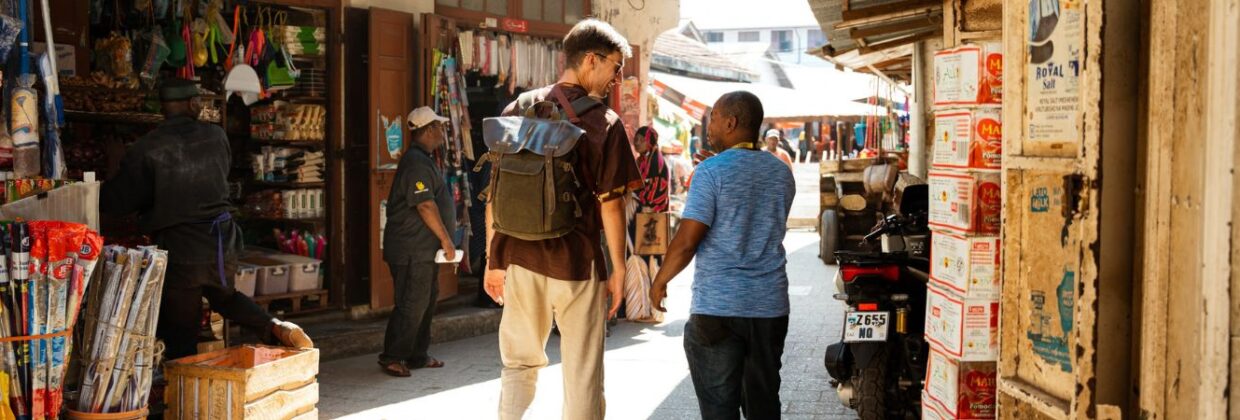
Stone Town on Zanzibar is the old town and the cultural heart of Zanzibar Island. This old town is a UNESCO World Heritage Site. It’s full of narrow alleyways, bustling markets, mosques, and Arab houses.
During a Stone Town city tour, a local guide will take you through the center of Stone Town. You’ll learn a lot about the history of the city and the island.
Tip from travel advisor Marloes
“Want to meet the Zanzibari people and sample Zanzibar’s local cuisine? Then join Muuna’s cooking workshop. Together, you’ll visit the Stone Town market to shop. Together, you’ll prepare an authentic meal, and of course, you’ll enjoy it together at the end.”
Imagining yourself meeting the locals?
Contact us directly for a tailor made trip!

